
How can I garden in winter?
Winter is the season for rest. You’ll tackle your new garden plans in the spring, right? You absolutely could, but lettuce suggest you do some gardening through winter, though. We think winter is the most underrated gardening season. Yes, you could actually grow food in winter in a heated greenhouse with grow lights (or start earlier than you could outdoors), or grow microgreens indoors, or venture out to harvest the crops you intentionally left in your overwintering garden. But, what we’re suggesting is actually an often overlooked part of gardening once the growing season begins: planning. Pro tip: your plan could even include timing planting dates for winter harvests next year!

Winter is for reflection.
Winter garden planning can ease decision making pressure in spring. We have such a short growing season already in Central Oregon compared to many regions of the world. Let yourself mull over a final design layout for your new garden space, or compare seed varieties you’d like to grow in your garden in this new year. Winter planning lets you align your garden with your goals, and have a guide for continuous production all season long.
Maybe this is the year your focus is on growing more veggies, or investing in edible perennials, or creating more habitat for pollinators. Planning ahead ensures your garden reflects what matters to you, not just what happens to be available at our local garden centers when spring arrives. Winter planning means spring planting can feel more calm and intentional instead of rushed and reactive.
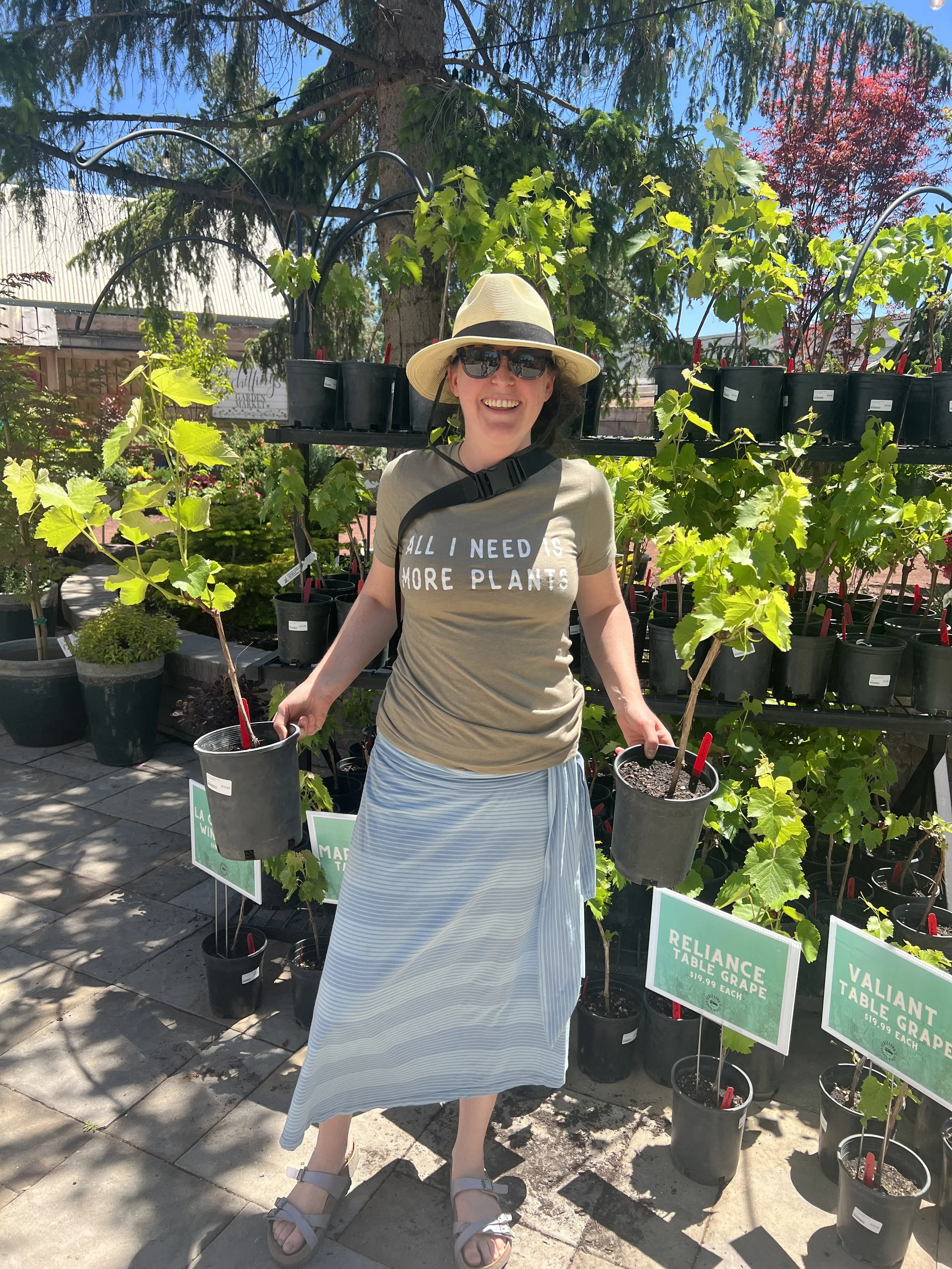
Winter crop planning can help you avoid impulse buying.
Make a crop plan! Seed catalogs, seed racks, and flowering and fruiting plant starts are tempting in every season, but planning first helps you buy with purpose. When you’ve thought through how much space you have, what your sunlight is like in different spots, and what you actually enjoy growing and eating, you’re less likely to over buy or plant varieties that don’t suit your garden (or our climate, even though they are being sold in Central Oregon). You’ll already know when to plant the right plants at the right time, especially if you plan ahead and make sure you have your season extension tools ready to help warm up your soil earlier and protect plants from cold spells once they’re in the ground. This readiness can mean earlier harvests, healthier plants, a smoother start overall, and less impulse buying.
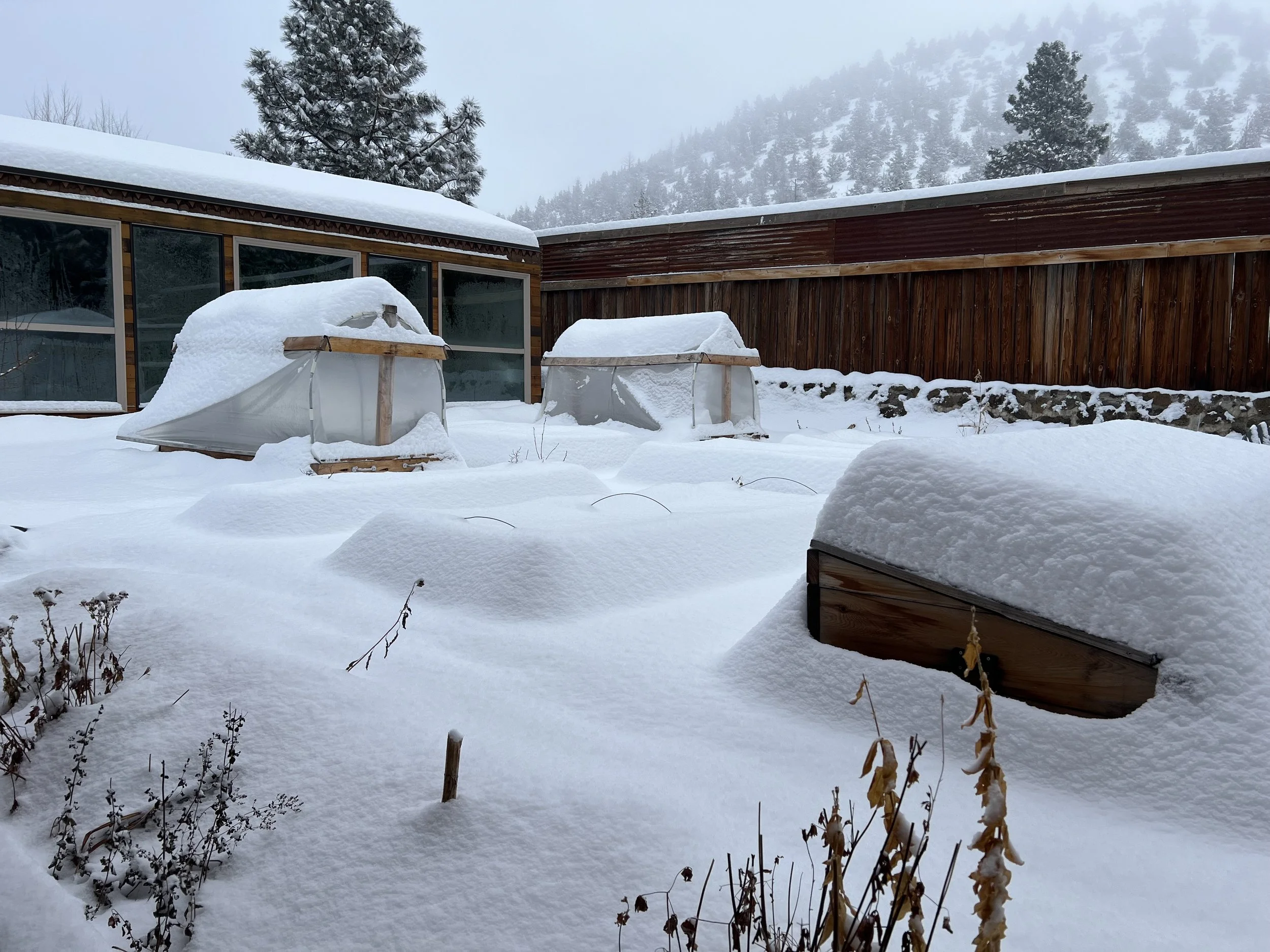
Winter planning gives us something to hope for.
We find most gardeners feel tremendous comfort planning a garden when the world outside feels cold, dark, and quiet. Sure, we’re all aiming to live in the present, however, dreaming of spring growth, and fresh food offers connection to the future in a hopeful way. It’s a reminder that seasons change and that you’re actively preparing for brighter, greener days ahead. Sometimes, planning is its own kind of nourishment, even before your garden comes (back) to life.
Do you enjoy spontaneity? Does this all sound too plan-y? You don’t have to map your entire garden down to the last seed, but even a little winter planning can make a big difference. It can keep you focused on your goals, save you time and money in the long run, reduce stress, and turn spring into a season of excitement instead of overwhelm about feeling behind when it finally arrives. In Central Oregon, we do often get warm days in March and early April and think spring has sprung (often in January or February, too!), and then winter inevitably returns. When you’re feeling the impulse to plant too early, or clean up those leaves you left in the fall for wildlife, direct that energy into planning for your (actual) spring garden…or refer to the crop plan you already have created to remind yourself when to plant!
Enjoy your winter gardening! Your future self with hands in warm soil, planting, tending, and harvesting the results, will thank you!
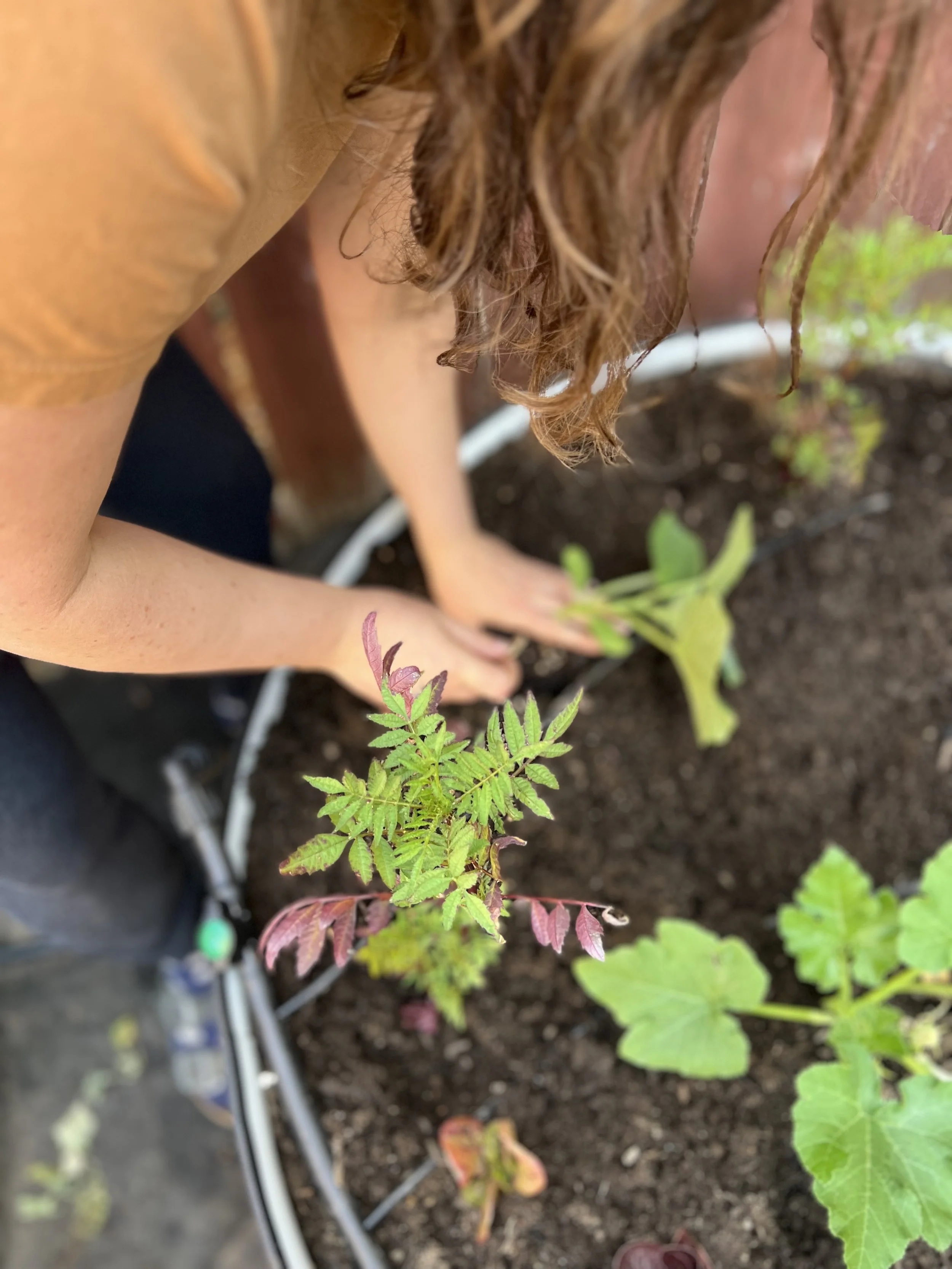
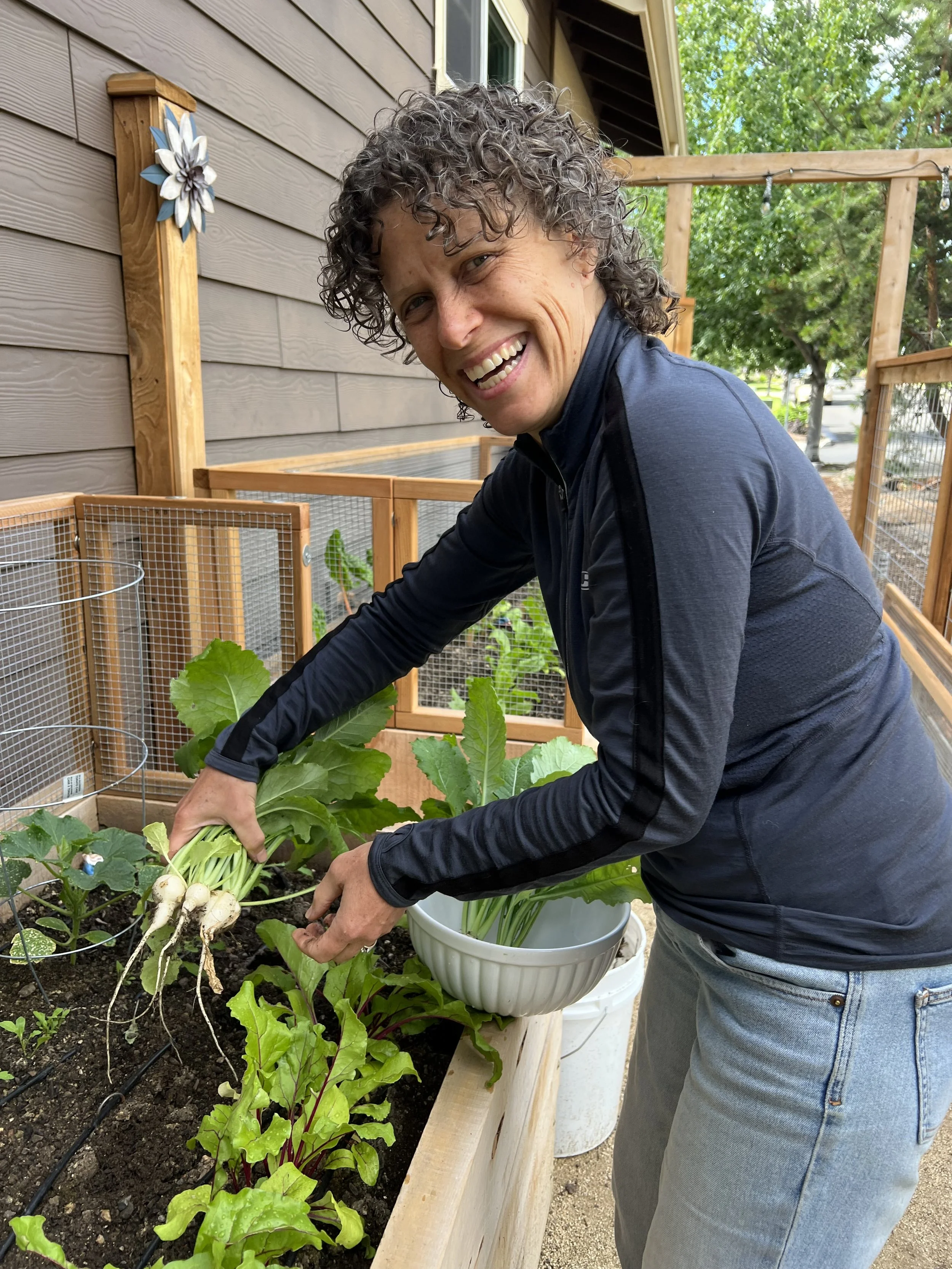
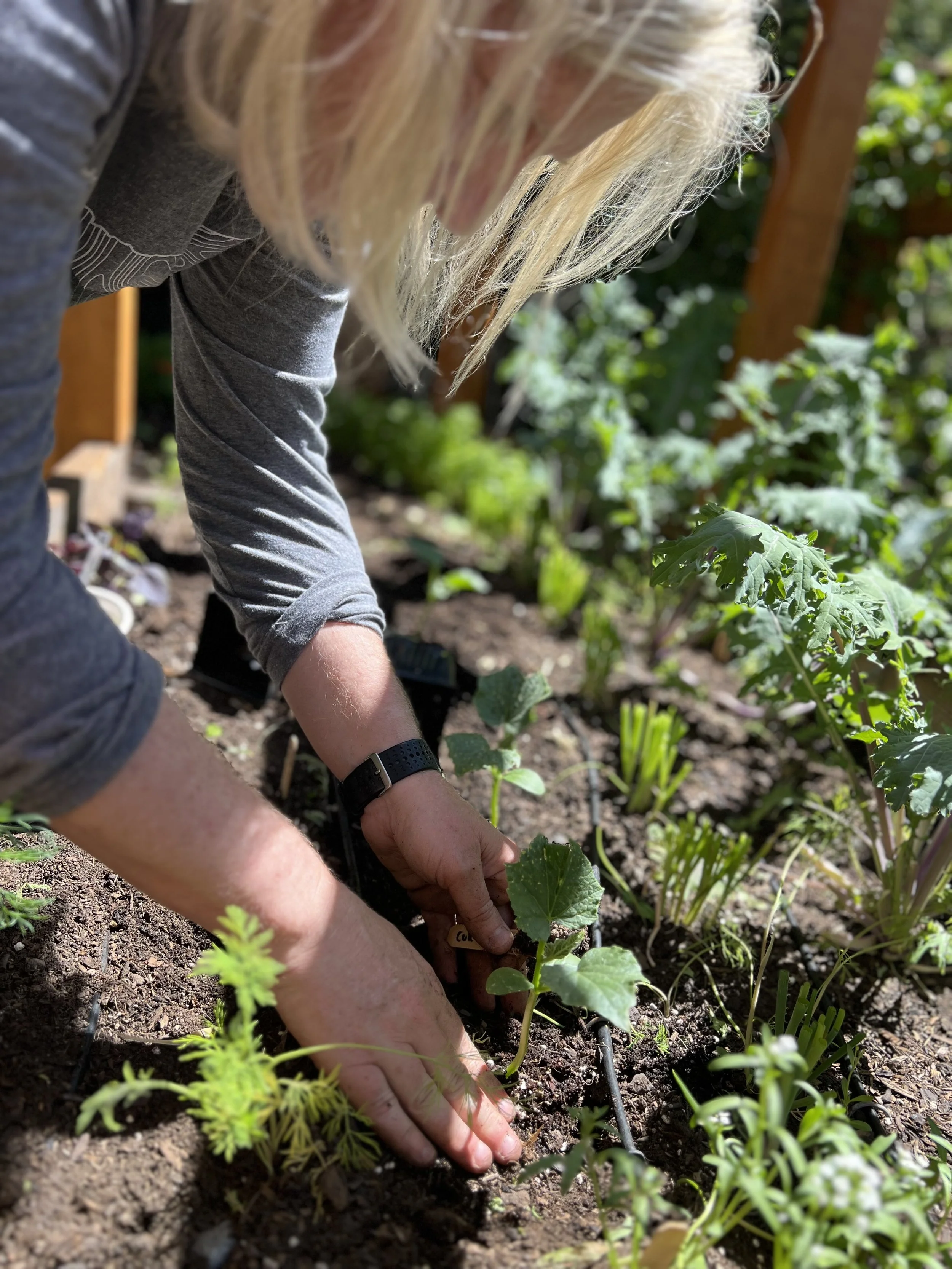
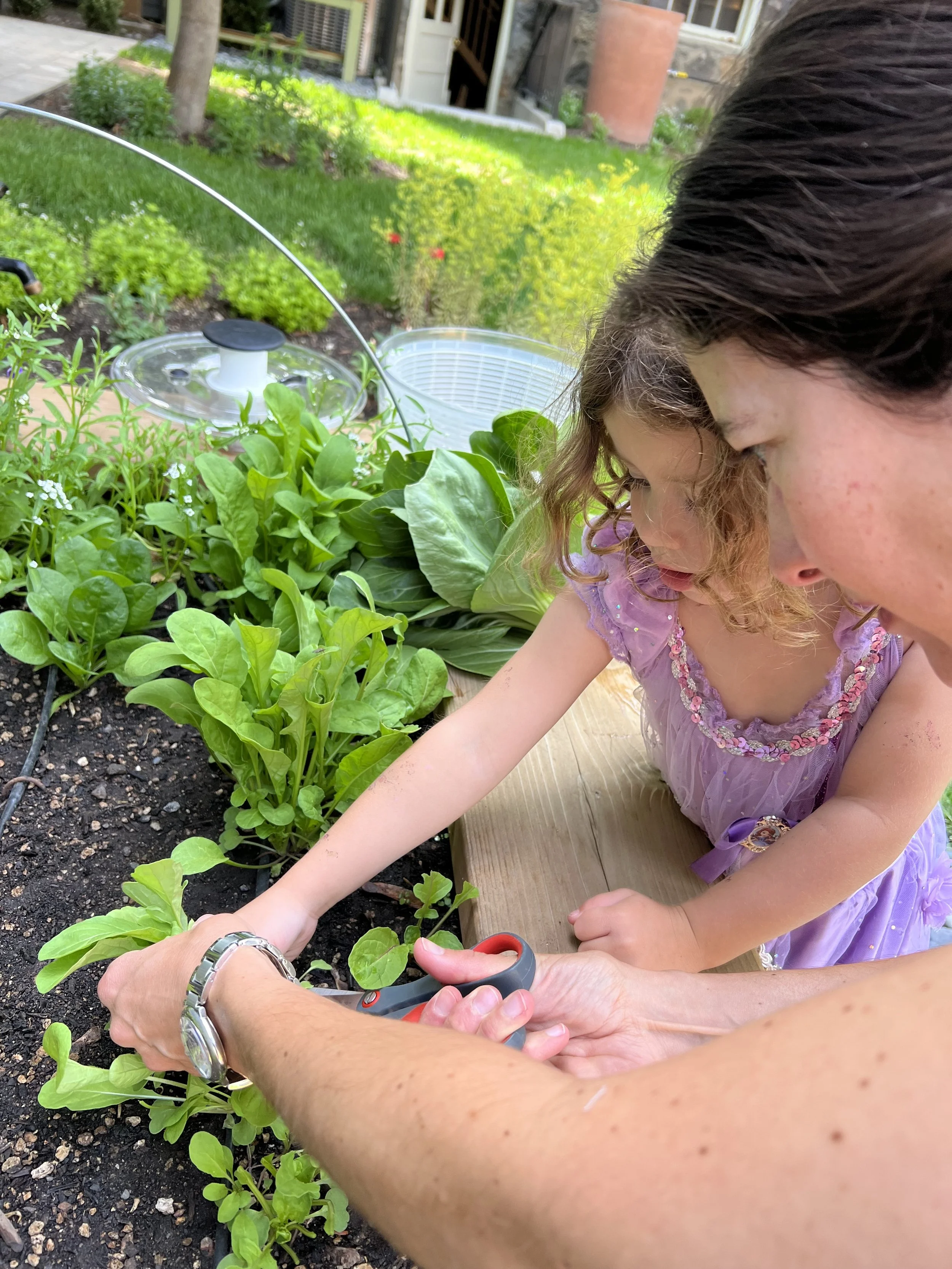
Need some crop planning guidance? We’d love to make a crop plan for you or with you to get you set up for success. Check out our tips on how early to plant in the spring, planting spinach, what to plant in mid-July, as well as fall planting ideas and some advice on what to do to get ready for gardening in spring beyond crop planning!